
 EN
EN
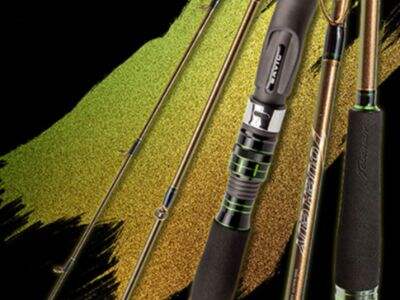
Fishing is a fun and popular hobby which many people love. When thinking about fishing, you probably have two primary types on your mind, freshwater and saltwater fishing. These sorts of fishing take place in different people and you also have species too. Freshwater fishing is generally in rivers, lakes and ponds, while saltwater fishing occurs on the oceans and seas. Each offers different fish, experiences and challenges. At Baishi, we understand the pleasure of fishing and have prepared to help you get closer to these two worlds so that you can better plan your fishing trip.
Freshwater vs Saltwater Fishing Spots: What are the Main Differences?
Fresh water and saltwater spots are diverse in many ways. For one, freshwater has less salt than seawater, so the kinds of fish that inhabit each differ. You can catch fish such as bass, trout and catfish in lakes and rivers. They favor still waters and hang out around plants or rocks. Then there’s saltwater fishing, stocked with species like tuna, marlin and snapper that require the larger, shifting ocean waters. The habitats look different too! A freshwater spot can be placid and green, while a saltwater environment might feature sandy beaches or rocky edges. Weather also plays a part! Circular rivers and lakes can be much calmer than oceans, which may get rough when storms arrive. The saltwater angler will need to remain vigilant, as waves and tides tend to fluctuate.
Then, there is what you need on the gear front. Lighter rods, reels and lines are generally used for freshwater fishing. You could also use basic bait, such as worms or lures. In contrast, saltwater fishing rods frequently requires heavy-duty gear to land larger fish that can run hard and fast. Steel leaders might also be required for leader material in order to not lose fish to sharp teeth. Moreover, fishing regulations might vary depending on where you are. Freshwater can be subject to limits on the number of fish you can catch, and saltwater might have regulations in place to protect certain species. That means you’ll need to check the local laws before you go fishing. Understanding these differences can help you to be prepared and make the most out of your day on the water, wherever in the world you’re fishing.
Looking for the Best Saltwater Fishing Destinations for Your Next Travel Plan?
When you are looking to take a saltwater fishing trip, there are many fantastic locations to consider. Some of the popular fishing spots are Florida, California, and Caribbean. Beautiful beaches; incredible fish like tarpon and grouper, Florida is renowned for them all. Destinations that draw a lot of people who love to fish include Miami and Key West. The warm waters and colorful underwater scenery ensure abundant fish to chase.
Places like San Diego and the Channel Islands provide great fishing in California. You can fish for yellow-tail and halibut a midst incredible ocean views. And to travel a little farther, the Caribbean islands, such as the Bahamas and Puerto Rico offer beautiful beaches and bountiful fishing experiences. This area is popular for its stunning blue water and selection of fish to catch. In these tropical waters, many fisherman dream of catching a marlin.
When you’re planning to go and why are crucial details of any trip. Other fish can be more active during different months of the year. One season might be best for big game fish, and another for bream. In the same vein, doing some research on local charters can’t hurt. Lots of businesses have guided fishing tours available, which can be very useful especially if one is new to the sport! A local expert can show you the ropes and teach you where to go and how to do it so that fishing is a fun experience. With so many opportunities, you are bound to find a destination where your saltwater fishing dreams can come true!
Challenges and Considerations in Freshwater vs. Saltwater Fishing
Fishing is a wonderful past time, but there are times, especially in these hot summer months that we need to fish deep to reach the big ones. Fishermen encounter different problems fishing in freshwater such as lakes and rivers versus saltwater, like oceans and seas. In freshwater, the challenge is usually where to fish. Because lakes and rivers can vary a lot, you need to know where the fish are hiding! Evidently fresh-water bodies can get muddy at times after rain, and fish are not easily visible. In saltwater, on the other hand, fishermen are fighting big waves and strong currents. These waves can make it hard to keep your boat steady, or to drop a bait exactly where you want. Saltwater fish can also be very fast swimmers, so the fishing equipment has to be more robust. Weather can be a challenge in freshwater as well as saltwater. If it’s too windy or storms are moving in, one cannot safely fish. Fishermen must also be aware of the regulations and licenses to fish in each body of water. Some places may have a certain size of fish you are required to catch or only allow a specific number of keepers. Another problem is wildlife. There could be mosquitoes, for example, in freshwater, jellyfish in saltwater. A smart way to address these concerns is good preparation. At Baishi, we recommend preparing for your fishing trip by monitoring a weather forecast, making sure you have the right gear and understanding the area where you will be fishing. Knowing what these obstacles are can help you avoid them and enjoy your fishing more, whether it is in your backyard stream or on some far-flung river.
How to Discover Hidden Freshwater Fishing Spots
Hunting down secret freshwater fishing locations can be a great adventure! One great way to find these jewels is to ask your friends or fishing groups in your area about their favorite places. You can also inquire in online forums or social media groups where fishing enthusiasts post their catches. Smaller, lesser used lakes or rivers are usually the best places to fish. These spots are usually less crowded, so the fish don’t scare off. Drive into the country for great, tranquil spots that have excellent freshwater fishing pole. Another good thing to do is check out the public parks that might have a lake or pond. Parks sometimes have walking trails, letting you safely scout for the best fisheries. If you have a map or GPS, seek out places described by the word “lake” or “river,” which might point toward overlooked spots. Waterways like creeks and streams can also make for good fishing, particularly if there are less people nearby. Be sure to consult local rules to determine whether you need a fishing license. Always respect nature and leave the places you visit nice for others. Baishi hopes that young fans of fishing take inspiration from their own backyards and try to uncover these hidden treasures. There is more to fishing than catching fish, there is beauty and nature, which makes for time well spent with family.
Effective Techniques and Gear for Successful Saltwater Fishing
For saltwater fishing, there are some really good techniques that work better than what you’d do in a fresh water habitat. However, it is important to know how to use bait properly. Fishermen may bait any fish they have caught where legal in saltwater, such as shrimp, alive in order to attract larger predatory fish or use them as cut bait. One technique widely practiced in saltwater is chunking, meaning you toss pieces of bait over the side to bring fish to your area. This approach is an effective means of catching large fish such as tuna or mackerel. Saltwater fishermen also frequently make use of fishing rods that are longer and more powerful in order to handle large fish and rough water. Another saltwater fishing method is bottom fishing, in which you drop your line and bait to the ocean floor to catch species such as snapper or grouper. In a lake or river, you’d use something like a bobber to keep your bait at the right depth, while in saltwater fish are generally further down. Sometimes saltwater fishermen need to adjust their techniques according to the tides too. Because fish are more active at some times than others, having that info can help you determine when the best times to fish are during the day. Baishi says you should get to know the fish you're fishing for, because many types of fish have different habits. Knowing when and where to pursue the fish is central for both, but knowing the best saltwater techniques will help make you more productive on the ocean. Remember that fishing is a game of practice and patience, so you are going to have to keep trying out different techniques until you find what works best for you.
Table of Contents
- Freshwater vs Saltwater Fishing Spots: What are the Main Differences?
- Looking for the Best Saltwater Fishing Destinations for Your Next Travel Plan?
- Challenges and Considerations in Freshwater vs. Saltwater Fishing
- How to Discover Hidden Freshwater Fishing Spots
- Effective Techniques and Gear for Successful Saltwater Fishing