If you want to catch catfish, the bait you choose is crucial. Catfish are omnivores that eat almost anything, so they'll make a meal of almost anything that they find appetizing. This is why choosing the right catfish bait is crucial.
So there are several types of catfish rod and reel combo you can purchase and each type is different. Some baits are better for specific types of catfish, and others suit different fishing spots. Learning about these baits and experimenting with different ones is a good idea to determine which works best for you.
Worms – It is no doubt that worms are one of the best baits for catfish and are available at almost all bait shops. They work great and catfish go wild for them.
Chicken Liver – Catfish love the stinky smell of chicken liver. Simply bait with a piece of chicken liver or other bait, and wait for a catfish to take hold.
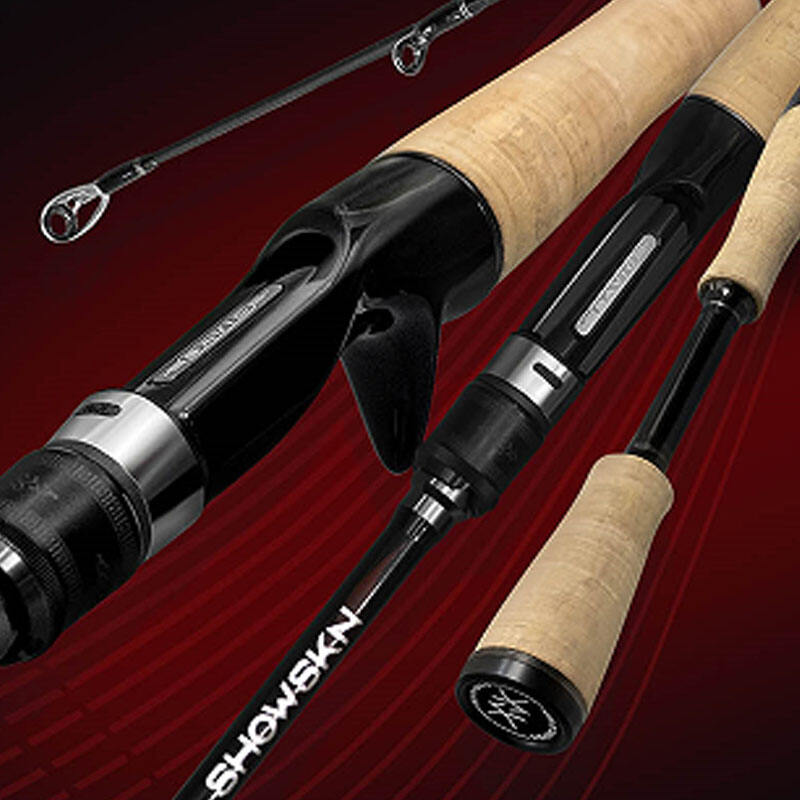
Cheese Yes, believe it or not, cheese is actually a good catfish rods! Cut yourself a little of cheese and bait the hook with it to get more fish.
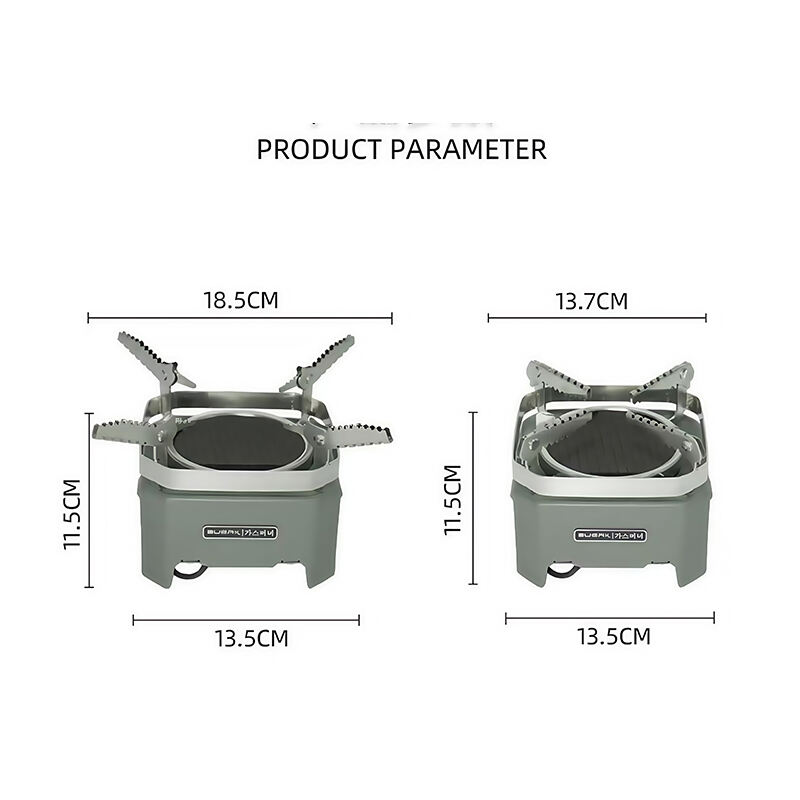
Dough Bait - Combine flour, water and your choice in flavoring (such as garlic powder or vanilla) for a dough. Mold the dough around your hook and toss it into the water.
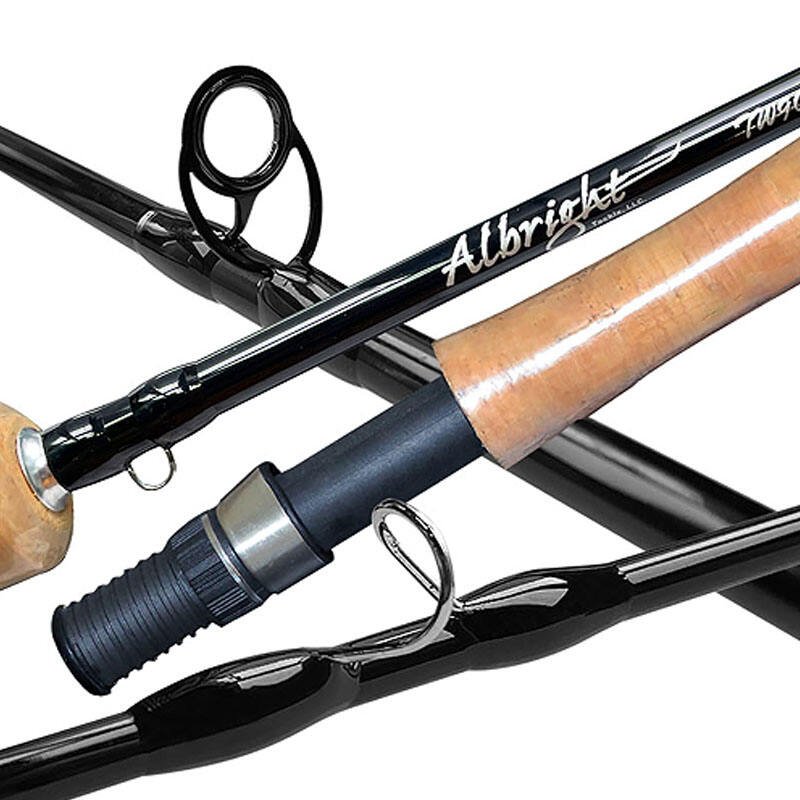
Chicken Liver Dip – Mix cooked chicken liver, garlic and cornmeal to make a stinky dip for best catfish bait. Coat your bait in it so you will catch more fish.
We use aerospace-grade materials, such as military-spec carbon fiber, to create rods and reels designed for over 100,000 casts, backed by rigorous saltwater corrosion tests and extreme load simulations.
More than a brand, we are a global tribe of 250,000+ anglers across 30 countries, offering direct Pro Team support and dedicating 1% of every sale to protecting wild fisheries.
Each product exceeds industry durability standards through 10,000+ cast simulations and extreme condition testing, all backed by a lifetime warranty and 24/7 gear support.
Since 1975, our products are crafted by fellow anglers who understand real-world challenges, ensuring every piece of gear solves actual problems—like snapped lines and rusted reels—through relentless engineering and real-water testing.

 EN
EN